 Carman
Wheel Modification Mistakes That Ruin Your Build
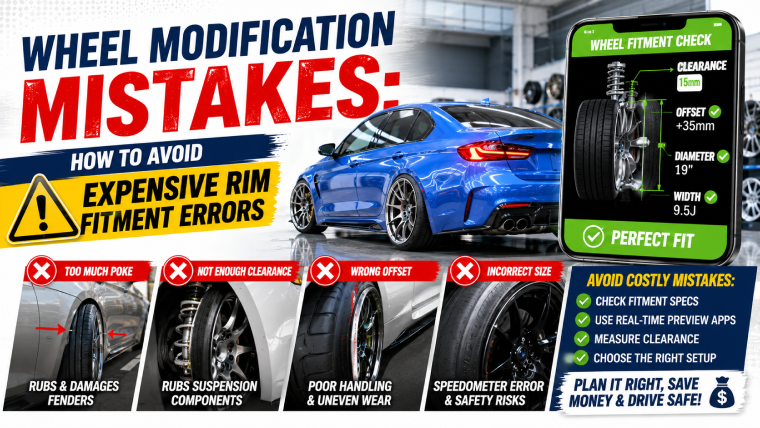
There’s nothing quite like the thrill of upgrading your car’s wheels. A fresh set of rims can transform the entire look of your vehicle, turning heads and boosting performance. But beneath that excitement lurks a dangerous pitfall: fitment errors. One wrong measurement, one overlooked offset, and you’re staring at a ruined fender, a blown tire, or a suspension component that’s been chewed to pieces. The worst part? These mistakes are almost always avoidable.
The most common wheel modification mistakes fall into a few predictable categories. First, there’s the offset blunder—choosing a wheel that sits too far inward or outward, causing rubbing against the strut or the fender lip. Then comes the bolt pattern mismatch, which forces you to use wobble bolts or adapters that compromise safety. Finally, there’s the diameter and width gamble, where bigger isn’t always better, and you end up with a wheel that’s too heavy or too wide for your car’s suspension geometry.
> “Measure twice, buy once. A tape measure and a caliper are cheaper than a new set of tires and a body shop bill.”
Why Rim Fitment Mistakes Matter More Than Brands
It’s easy to get caught up in brand names. You see a set of forged three-piece wheels from a legendary manufacturer, and you convince yourself that the fitment will work out because the brand is reputable. But here’s the hard truth: no brand can fix a bad fitment. A premium wheel that rubs against your brake caliper or protrudes past your fender is just an expensive paperweight.
Fitment mistakes matter more than brands because they directly affect:
- Safety: A wheel that doesn’t sit flush can cause vibrations, uneven tire wear, and even catastrophic failure at high speeds.
- Performance: Incorrect offset alters your scrub radius, throwing off steering feel and stability.
- Aesthetics: A wheel that’s tucked too far in or poking out too far looks awkward, no matter how much you paid for it.
- Resale value: A car with documented fitment issues or damaged fenders is worth significantly less.
Think of fitment as the foundation of your build. You can have the most expensive wheels in the world, but if the foundation is cracked, the whole structure is compromised.
How Real-Time Preview Helps Avoid Costly Errors
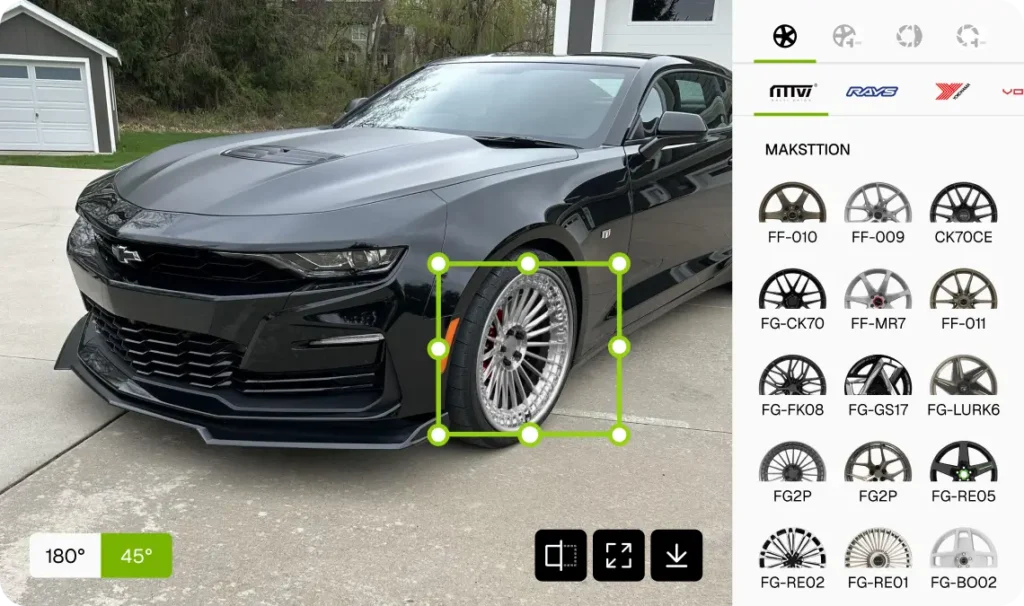
In the past, the only way to check fitment was to buy the wheels, mount them, and hope for the best. That’s a gamble that often ends with a trip to the alignment shop or a frantic search for spacers. Today, technology has changed the game. Real-time preview tools allow you to visualize exactly how a wheel will sit on your car before you spend a single dollar.
These tools work by overlaying a 3D model of the wheel onto a scan or image of your vehicle. You can adjust:
- Offset: See how moving the wheel in or out changes the clearance to the fender and suspension.
- Width: Check if a wider rim will tuck inside the wheel well or require fender rolling.
- Diameter: Confirm that larger rims won’t hit the brake calipers or strut towers.
The key benefit is eliminating guesswork. Instead of relying on forum posts or generic fitment charts, you get a precise visual representation. This is especially valuable for cars with aftermarket suspension, where ride height and camber changes can drastically affect clearance.
> “A real-time preview is like a test fit without the sweat. It saves you from buying wheels that look good on a shelf but fail on the road.”
Preview First: The Smarter Way to Buy Wheels
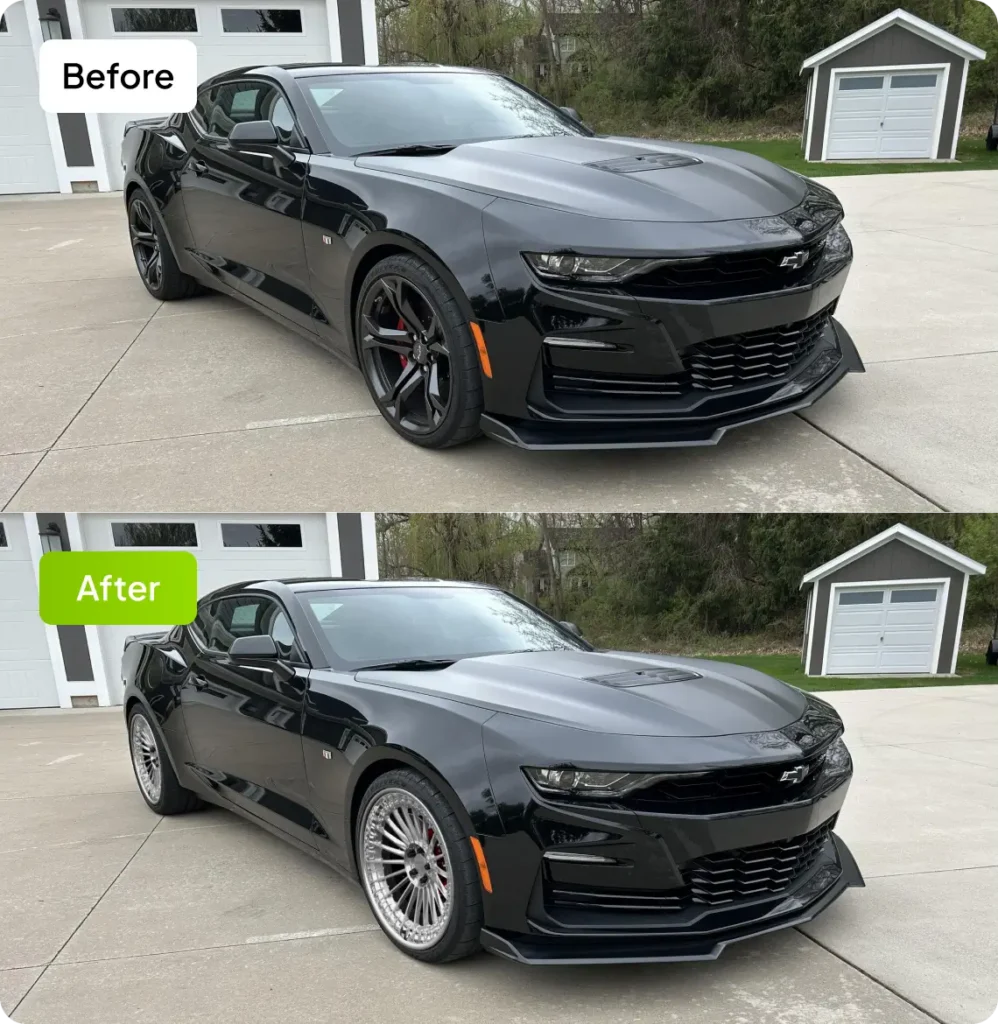
If you’re serious about avoiding expensive rim fitment errors, adopt a simple mantra: preview first, purchase second. This approach shifts your buying process from reactive to proactive. Instead of fixing problems after they appear, you prevent them from happening at all.
Here’s a practical checklist to follow:
- Use a fitment calculator or preview tool before adding anything to your cart. Input your car’s year, make, and model, along with your desired wheel specs.
- Compare multiple offsets to find the sweet spot between flush fitment and clearance. A difference of just 5mm can be the line between perfect and problematic.
- Check brake clearance if you’re upgrading to larger rotors or calipers. Many preview tools now include brake templates.
- Factor in tire stretch and sidewall profile—a stretched tire can give you extra clearance, but it also changes handling and ride comfort.
- Consult community fitment galleries for real-world examples of similar setups. Photos of other cars with the same specs are invaluable.
Remember, the goal isn’t just to make the wheels fit—it’s to make them fit well. A proper fitment enhances handling, reduces stress on suspension components, and gives your car that purposeful, planted stance.
Conclusion
Wheel modification mistakes are costly, frustrating, and entirely preventable. By shifting your focus from brand hype to fitment precision, you can avoid the heartbreak of rubbing tires, damaged paint, and wasted money. The tools are already in your hands—real-time previews, fitment calculators, and community knowledge. Use them. Before you click “buy,” take five minutes to preview your setup. Your car, your wallet, and your sanity will thank you.
> “The best wheel build is the one that fits perfectly the first time. Don’t learn fitment the hard way—preview it first.”
